
Risks
Hurricanes, insurance, and assets in Florida: how risk is managed
Investing in Miami means living with hurricane risk. We explain what happened in 2024, how risk is managed, and what to ask.
November 13, 2026 3 min readCityFraction editorial team
Key points
- NOAA forecasted between 17 and 25 named storms for 2024; the season was hyperactive according to Colorado State.
- Milton was the second category 5 hurricane of the season; Helene and Milton severely affected the southeast.
- Hurricane risk raises insurance costs in Florida.
- Risk management includes insurance, construction, reserves, and diversification.
Infographic
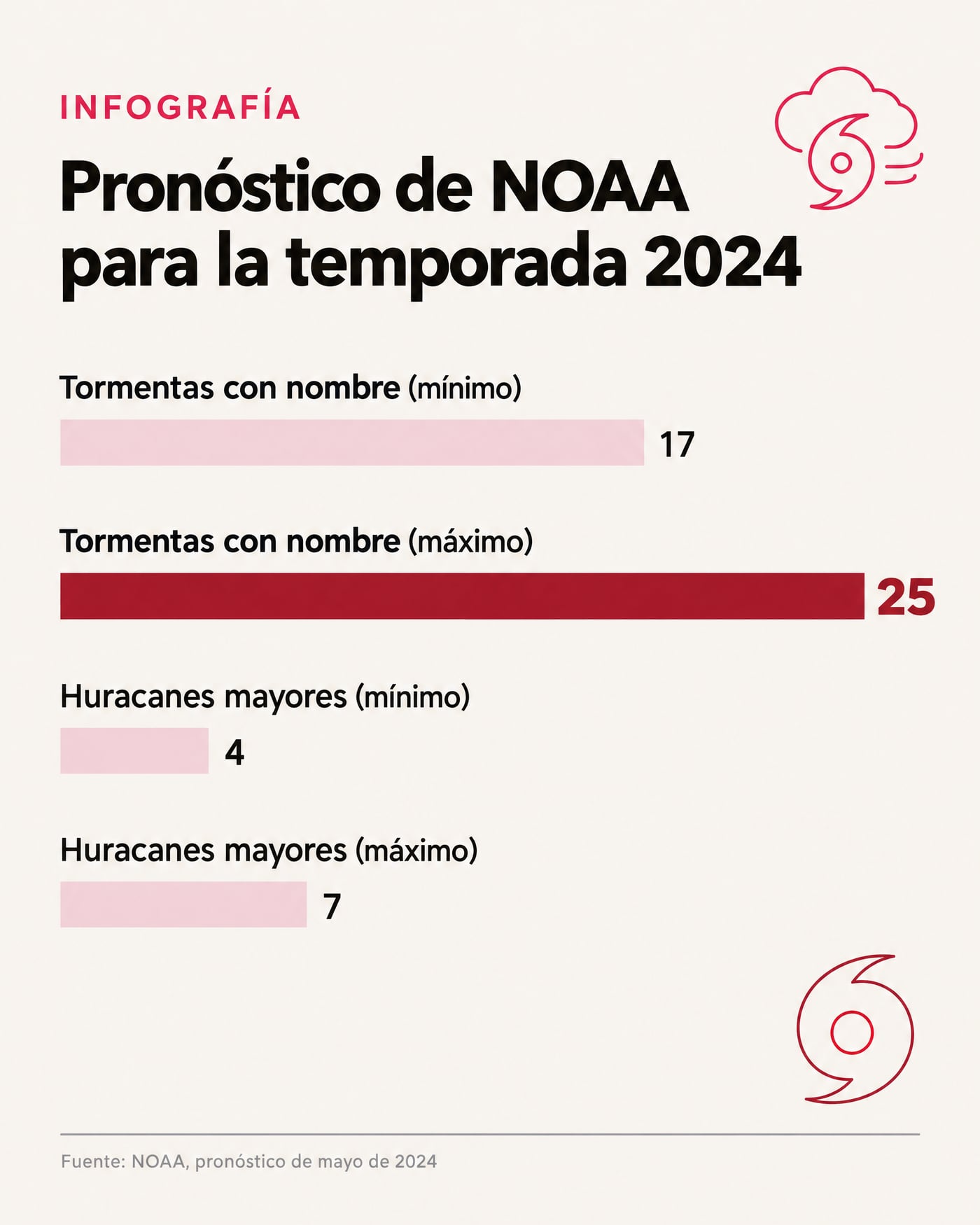
NOAA forecast for the 2024 season
View data in table
| Named storms (minimum) | 17 |
| Named storms (maximum) | 25 |
| Major hurricanes (minimum) | 4 |
| Major hurricanes (maximum) | 7 |
Source: NOAA, May 2024 forecast
What happened in 2024
In May 2024, the United States National Oceanic and Atmospheric Administration (NOAA) forecasted between 17 and 25 named storms for the Atlantic season, with 70% confidence, and between four and seven major hurricanes. In August, it raised its forecast and warned it could be one of the most active seasons recorded.
According to NOAA, the final activity fell within the forecasted ranges. Colorado State University rated it as hyperactive, with hurricanes and major hurricanes well above the 1991 to 2020 average. Helene and Milton were the most significant for the continental territory, with Milton becoming the second category 5 hurricane of the season.
The impact on properties
Hurricanes affect properties directly, with damage from wind, water, and storm surge, and indirectly, with service outages, travel cancellations, and increased insurance and repair costs. In South Florida, the official season runs from June 1 to November 30, overlapping partly with months of lower tourism.
| Data | Value |
| Named storm forecast (NOAA, May) | 17 a 25 |
| Major hurricane forecast | 4 a 7 |
| Rating (Colorado State) | Hyperactive |
| Notable hurricanes | Helene and Milton |
| Category 5 hurricanes | Milton was the second of the season |
Sources: NOAA NESDIS and Colorado State University.
Insurance: a costly burden
Florida is one of the most expensive property insurance markets in the United States due to its hurricane exposure. High premiums reduce net profitability of properties, and in condominiums, they add to management fees. When evaluating an asset, it’s wise to review what insurance it has, what it covers, its deductible, and how it affects costs.
Florida’s new condominium rules, requiring structural inspections and reserves, also aim to better prepare buildings for these events.
How risk is managed
- Adequate property and liability insurance.
- Buildings constructed or reinforced according to hurricane building codes.
- Reserves for repairs and contingencies.
- Preparation protocols before each storm.
- Diversification: not concentrating all assets in one exposed area.
Diversification as protection
A portfolio with assets in Miami, Cartagena, Madrid, and Capri doesn’t depend on a single climate or risk season. A hurricane in Florida doesn’t affect lodging in Madrid. This is one reason to spread investment across cities and asset types.
All investments carry risks, including capital loss. The returns of CityFraction assets are estimated and not guaranteed.
What to ask before investing in Florida
Before buying fractions of an asset in Florida, check its profile and contract for insurance coverage, damage handling, and who covers deductibles; whether the building meets required inspections and reserves; and how a temporary closure would affect rental income. Also ask if there is a reserve fund for contingencies and how it would be replenished after an event.
None of these measures eliminate risk, but knowing them allows you to decide with complete information and compare assets with equal criteria.
Conclusion
Hurricanes are part of the reality of investing in Florida. They are not a reason to avoid the market, but a risk that must be known, measured, and managed with insurance, proper construction, reserves, and diversification.
Frequently asked questions
How was the 2024 hurricane season?
Hyperactive according to Colorado State University, with Helene and Milton among the most damaging.
Do assets in Miami have insurance?
Each asset reports the insurance it has in its profile and contract; it is one of the points to review.
How do I reduce hurricane risk?
By diversifying across cities and reviewing the insurance, construction, and reserves of each asset.
Fonts
Public data consulted for this item. Figures may be updated after the consultation date.
- 1.NOAA NESDIS: end of the 2024 Atlantic hurricane season · consultado el October 12, 2026
- 2.Colorado State University: 2024 season verification · consultado el October 12, 2026
- 3.Greenspoon Marder: recent changes in Florida condo law · consultado el October 12, 2026
Explore open properties
Accommodations with fractions from 50 USD.
Conversation
What do you think of this article?
Educational content. Returns and figures are estimates or illustrative examples and do not constitute advice or guarantee. Read the risk information.